

Learn about the GrabCAD Platform
Get to know GrabCAD as an open software platform for Additive Manufacturing
Visit our new homepage
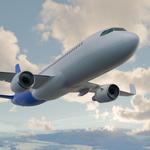

Project from 3D constructor - https://dubina.biz
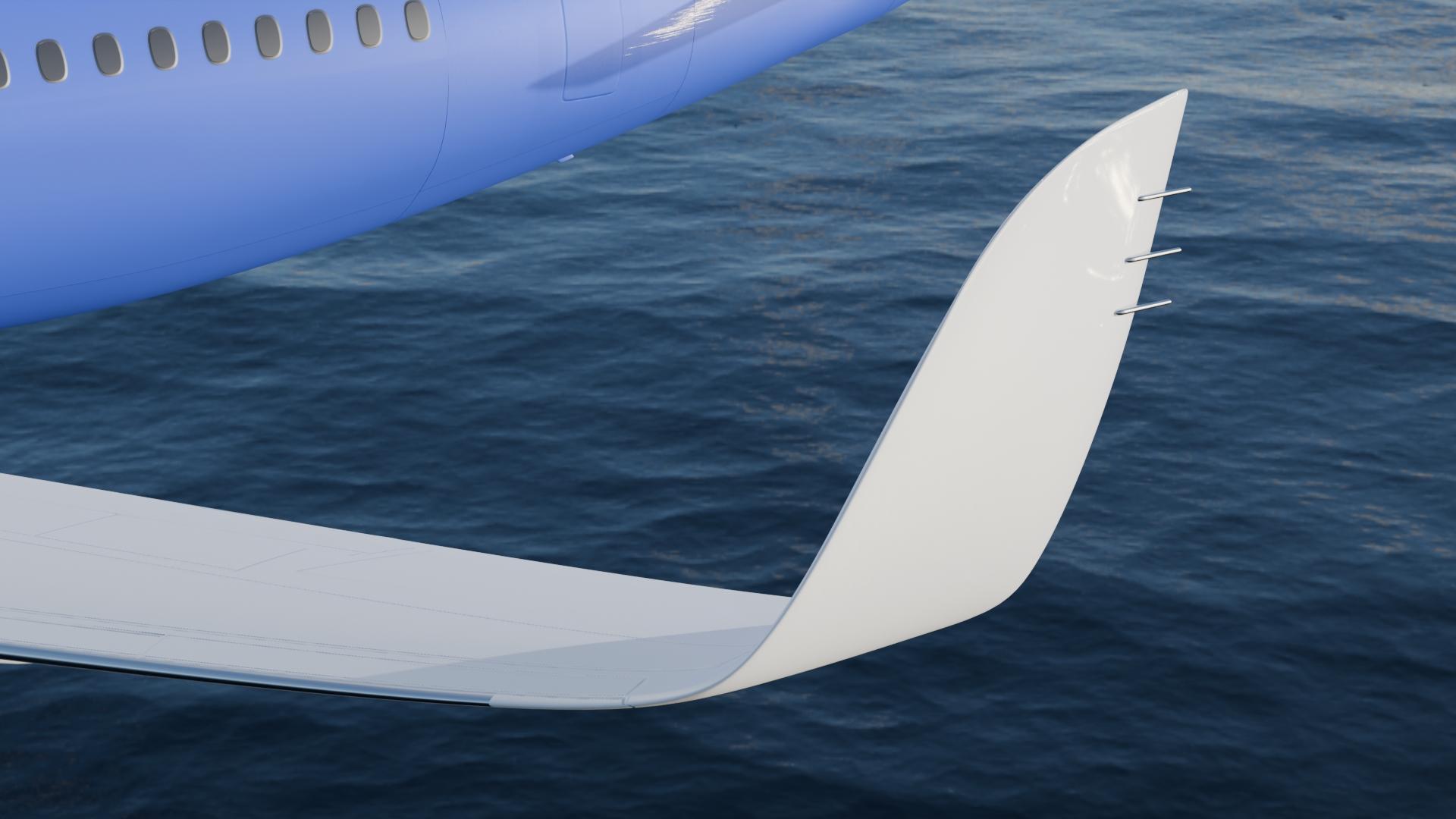
During flight, vortices are formed at the end of an airplane's wing, affecting the lift of the wing. The main parameter influencing the intensity of wingtip vortices is the wing aspect ratio (the ratio of the wing span to the mean chord). The longer the wing for the same area, the lower the induced drag, which means fewer vortices and turbulence behind the wing. Increasing the wing span improves the aerodynamic quality of the aircraft and reduces fuel consumption. While wing extensions are an effective way to reduce turbulence and improve aerodynamics, they also increase airport maintenance costs. The size of an aircraft based on its wingspan is called the ICAO (Aerodrome Reference Code). This code is used to calculate servicing costs and select parking areas, runways, and taxiways at airports.
ICAO Wingspan Classification System:
A. Up to 15 m (Cessna 172, Learjet);
B. 15–24 m (Embraer 120, Dash 8-100);
C. 24–36 m (Airbus A320, Boeing 737);
D. 36–52 m (Boeing 757, 767);
E. 52–65 m (Boeing 777, Airbus A330/A350);
F. 65–80 m (Airbus A380, Boeing 747-8).
The wingspan class affects:
1. Parking apron size – a larger aircraft requires more space.
2. Airport rates – the cost of maintenance, towing, parking, and handling increases with the class.
3. Ground equipment – Classes D and above require more powerful equipment and longer jetways.
4. Runway and taxiway category – the airport must be certified under the appropriate ICAO code.
A longer wing requires a stronger root section, meaning more weight and reworking of the wing. To avoid physically increasing the wingspan, raked wingtips are used. The rounded wingtips simulate the effect of a longer wing, directing the vortex upward. The efficiency is approximately the same as increasing the span by 8%, but without actually increasing the wing's length. Upward-curved wingtips reduce turbulence, which affects wing lift, by obstructing airflow. This reduces fuel consumption by 4%. The airplane Dubina A37 has a wingspan of 35.8 m, including tips. Therefore, the airplane belongs to class C (24–36 m). Thus, the Dubina A37 is a Class C airplane according to the ICAO system, and it is this class that determines all restrictions and tariffs for it when operating at airports.


Please do not open any links and do not make calls (including WhatsApp) to any numbers from messages sent by accounts such as Grabcad Verification, etc. - these are phishing ones. Please do not make any payments. Our security team is currently working on a solution.