

Learn about the GrabCAD Platform
Get to know GrabCAD as an open software platform for Additive Manufacturing
Visit our new homepage


Project from 3D constructor - https://dubina.biz
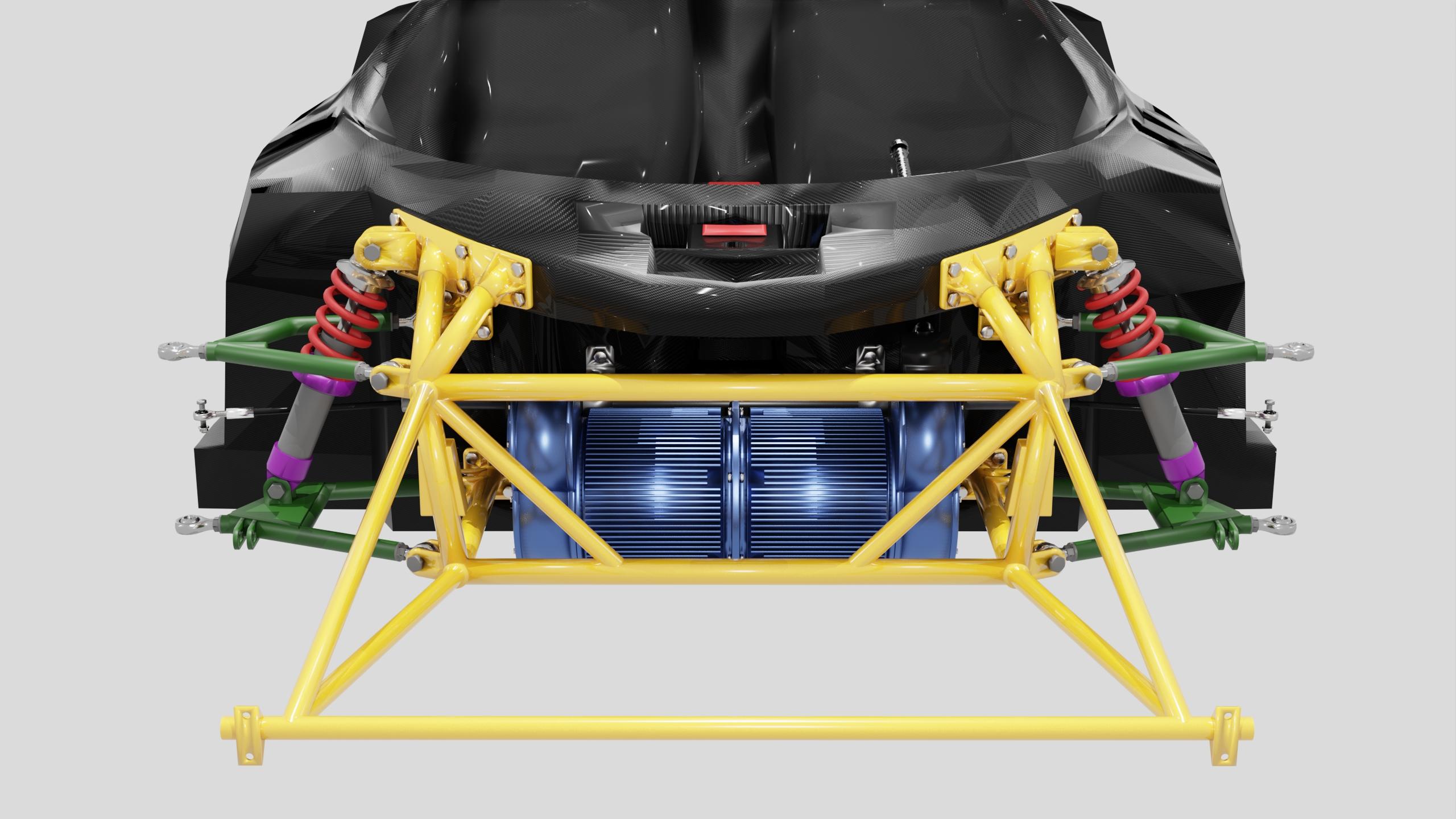
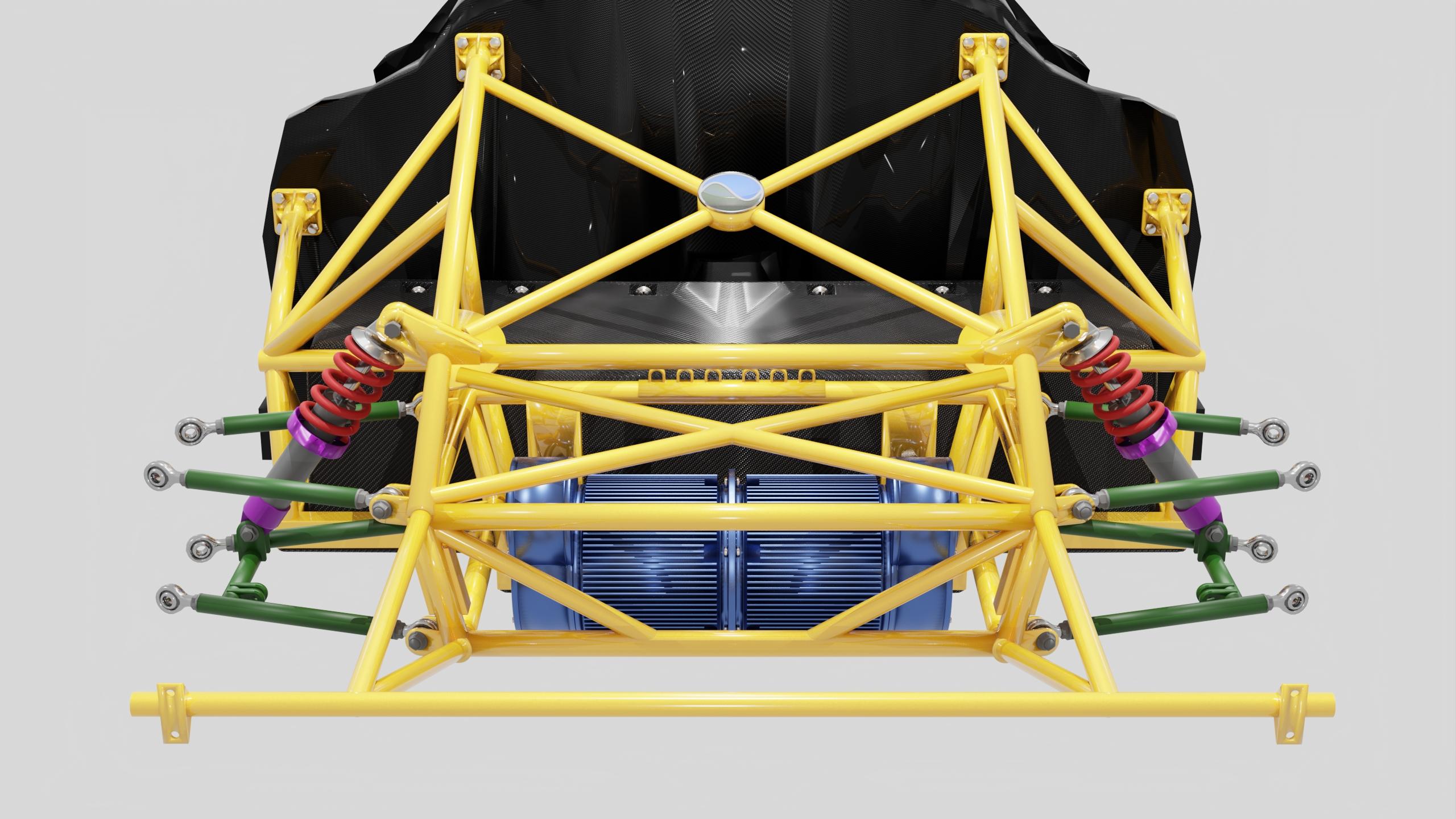
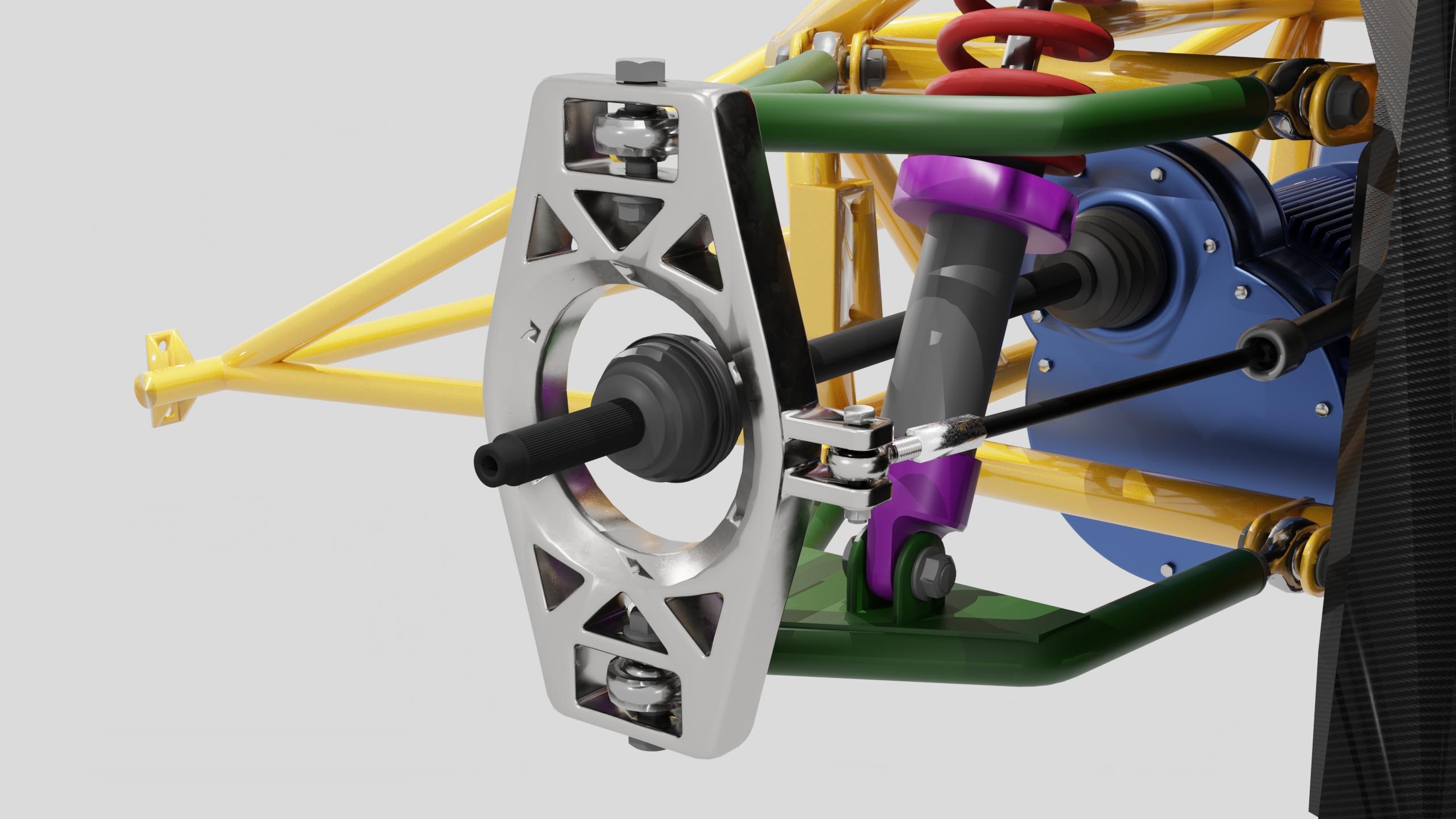
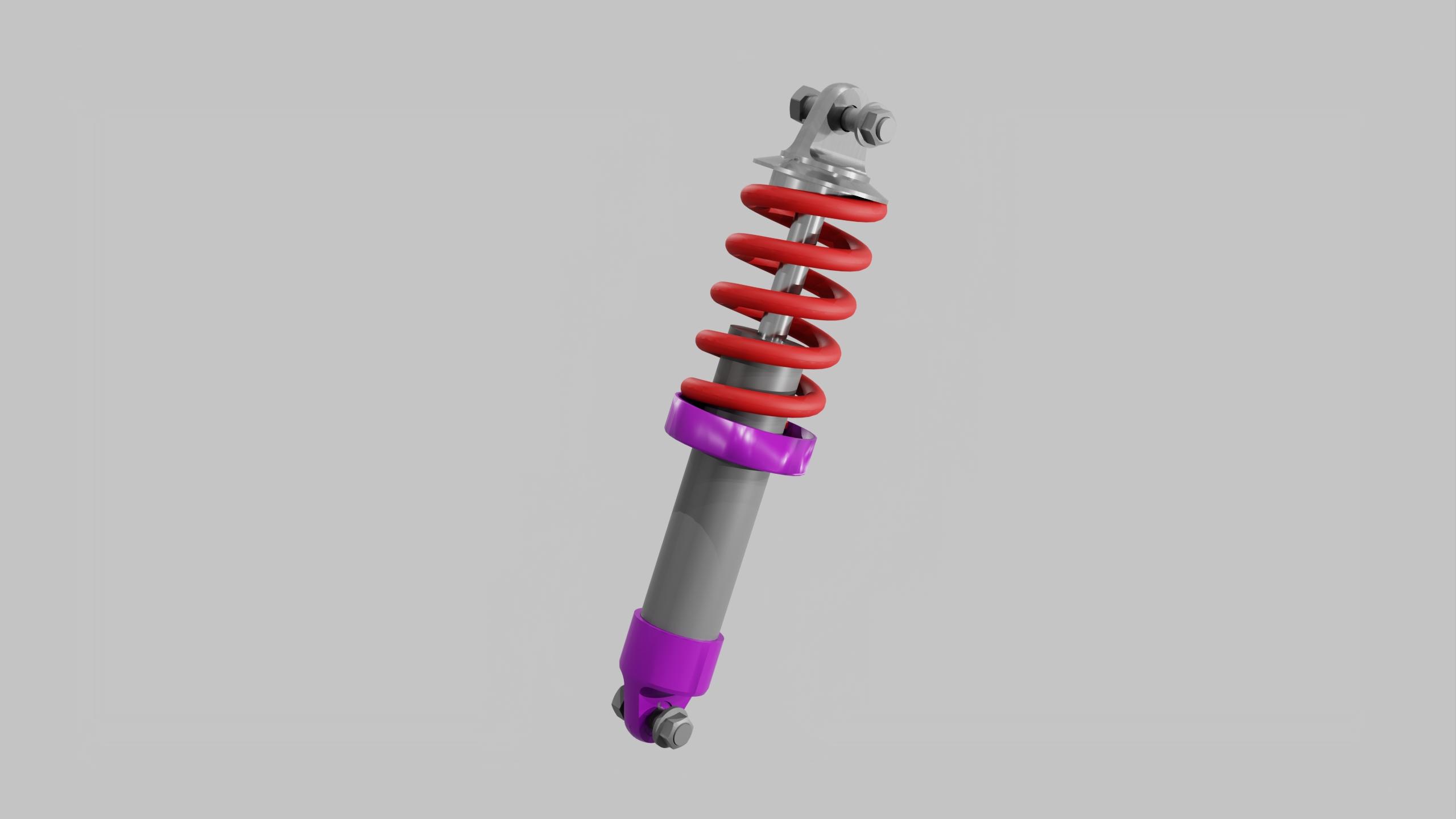
A shock absorber is a device designed to dampen oscillations and vibrations that occur when a car is moving. A gas-spring shock absorber is used in a car. The shock absorber consists of three main units: a cylinder, a piston with a rod, and a guide bushing with seals. When the car is moving, pressure is transmitted to the shock absorber rod. When the car is standing on its wheels or moving, pressure is transmitted to the shock absorber rod at this moment. The shock absorber is compressed and the rod with the piston at the end moves in the working chamber with oil and the oil presses on the floating piston dividing the chamber into two zones with the rod in oil and the zone with gas. The piston on the rod has special holes for the passage of oil. The gas is compressed by the pressure of the floating piston. When the shock absorber is unclenched, the rod comes out of the working chamber, reducing the oil pressure on the gas, which leads to the return stroke of the floating piston. The elastic properties of the shock absorber increase with the increase of the stroke, since with the increase of the gas pressure the piston stroke decreases. The coil spring installed on the body has a constant rigidity for its compression and extension requires a certain pressure. There is a thread on the struts, with the help of which, like a nut on a screw, the height of the washer is adjusted, against which the spring in turn rests. We turn the washer - we change the compression of the spring and, as a result, its preload. The suspension spring is installed between the lower support cup attached to the lower arm, and the upper support cup connected to the support, which is connected to the suspension cross member; vibration and noise insulating gaskets are installed between the ends of the spring and the support cups. The shock absorber is attached with its lower end to the suspension arm bracket using a rubber-metal hinge. The wheel tire must have constant contact with the road, therefore, when stretched, the shock absorber is stretched by the action of the spring. The upper end of the shock absorber is attached to the bracket through rubber cushions. The upward travel of the wheel is limited by a compression buffer, which is fixed to a support installed inside the suspension spring. Under static load, the compression buffer touches the lower support cup of the spring, which ensures its constant operation. The stop limits the compression of the buffer. The downward travel of the wheel is limited by a rebound buffer, which is installed in a bracket connected to the cross member and support. When the wheel moves down, the rebound buffer rests against a special support pad of the upper arm. The shock absorbers have an adjustable spring preload and the ability to change the length of the shock absorber, which allows you to adjust the height of the car without changing the ratio of rebound and compression strokes. There is also an adjustment of the damping forces. Compared to twin-tube shock absorbers, single-tube gas-filled shock absorbers are better cooled, have lower operating pressure, are simpler in design, lighter in weight, are more reliable in operation and can be installed on the car in any position from horizontal to vertical. However, they are long and expensive and require high precision manufacturing and sealing.


Please do not open any links and do not make calls (including WhatsApp) to any numbers from messages sent by accounts such as Grabcad Verification, etc. - these are phishing ones. Please do not make any payments. Our security team is currently working on a solution.