

Learn about the GrabCAD Platform
Get to know GrabCAD as an open software platform for Additive Manufacturing
Visit our new homepage


Project from 3D constructor - https://dubina.biz
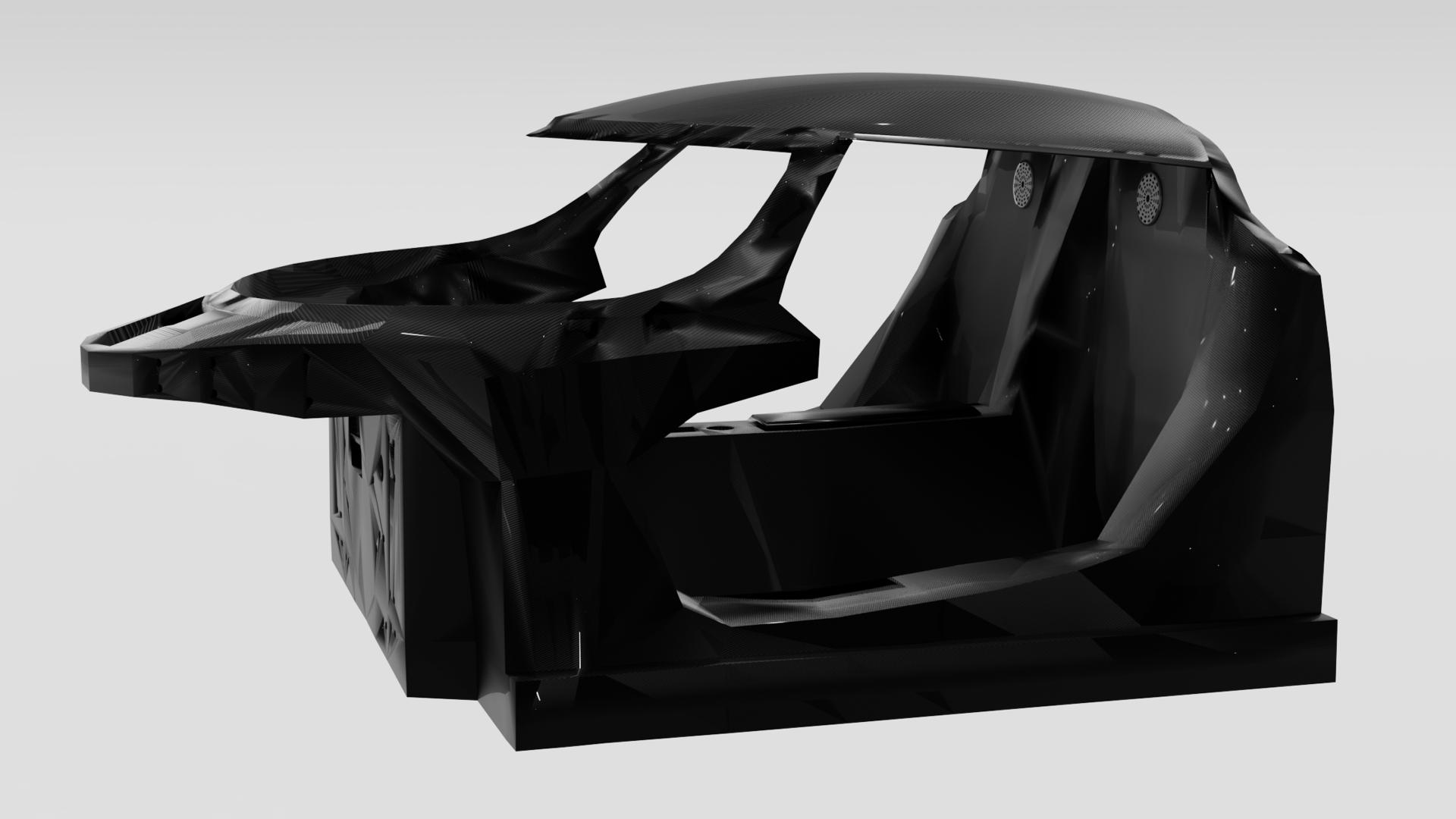
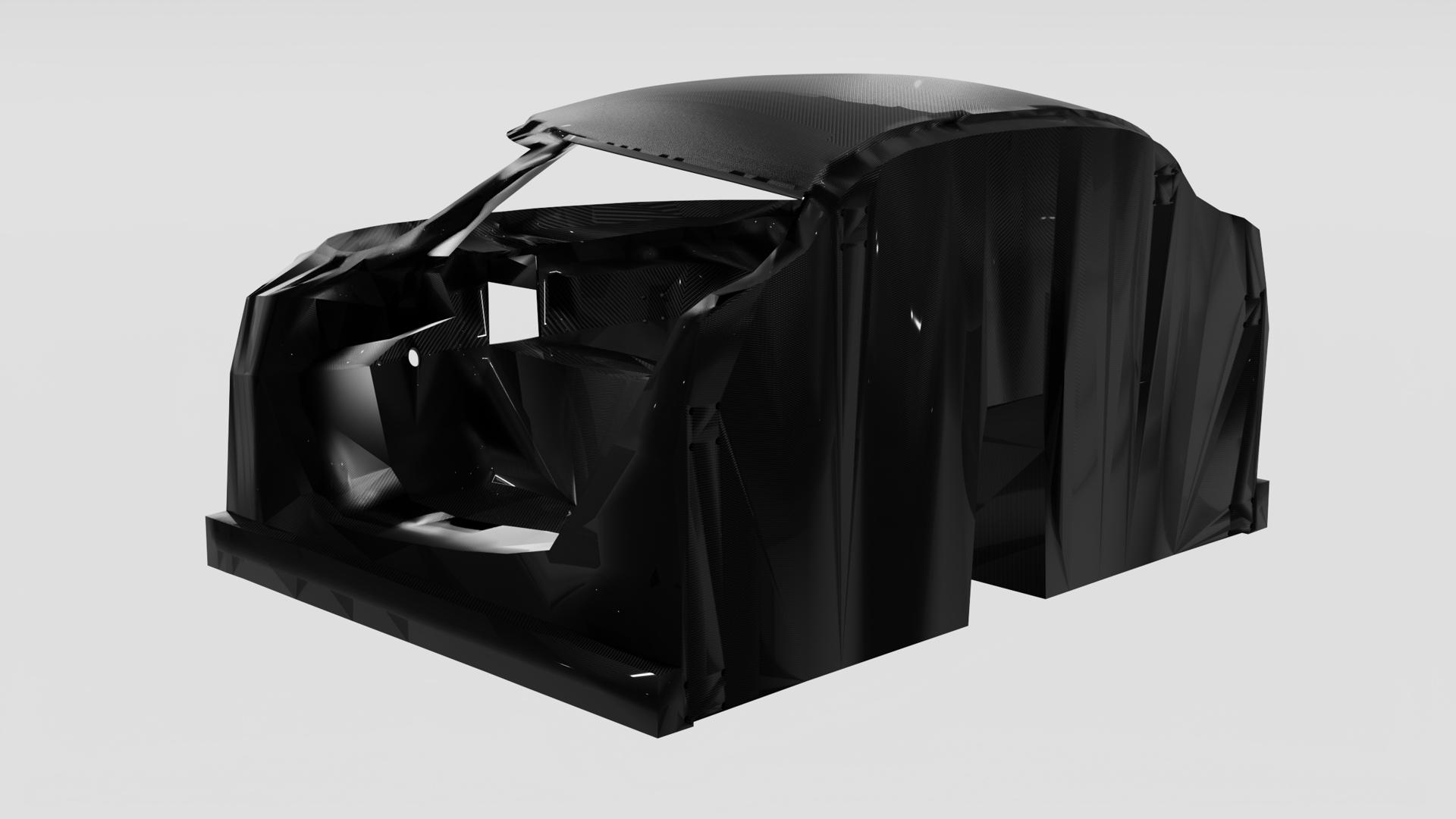
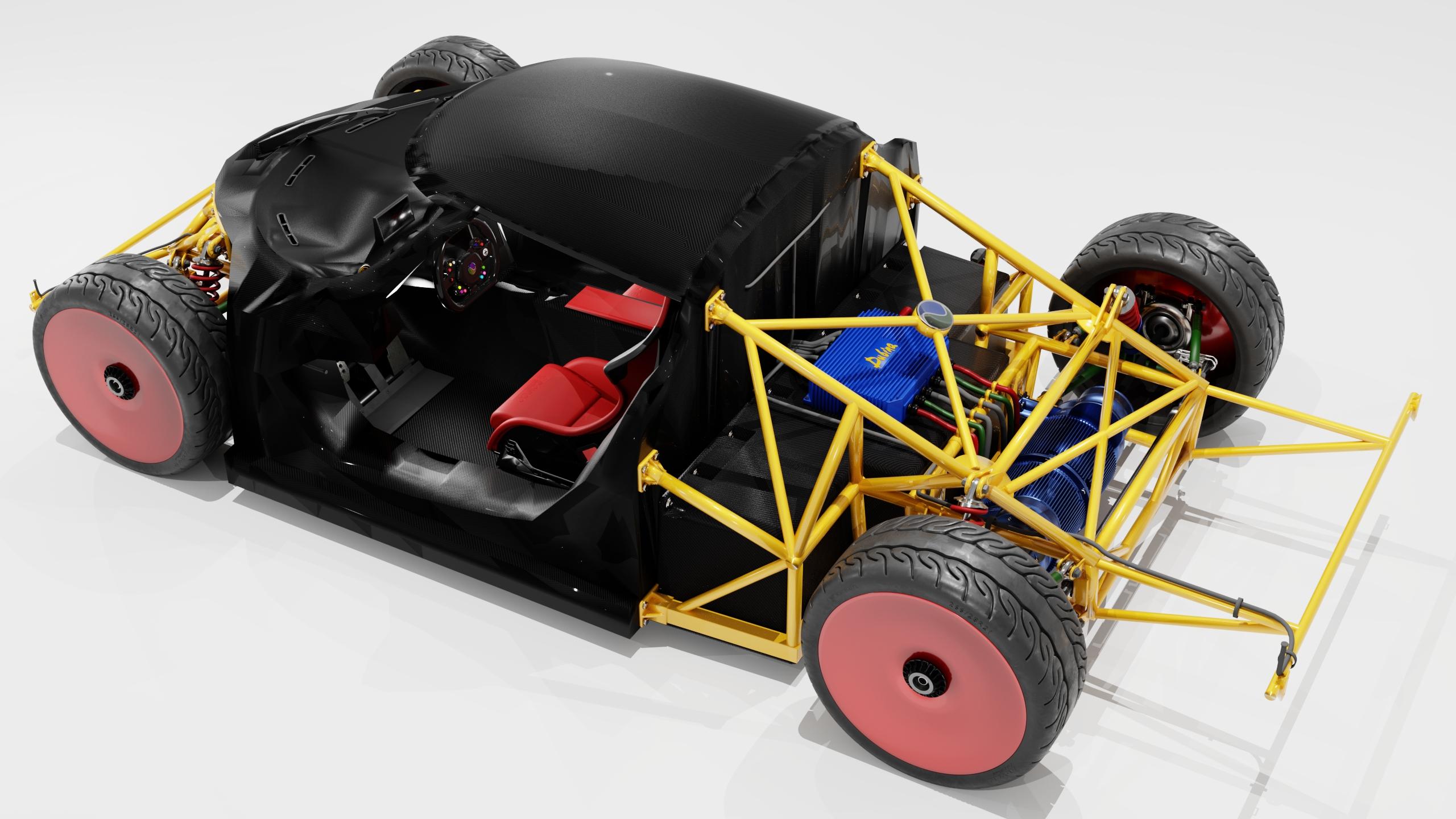
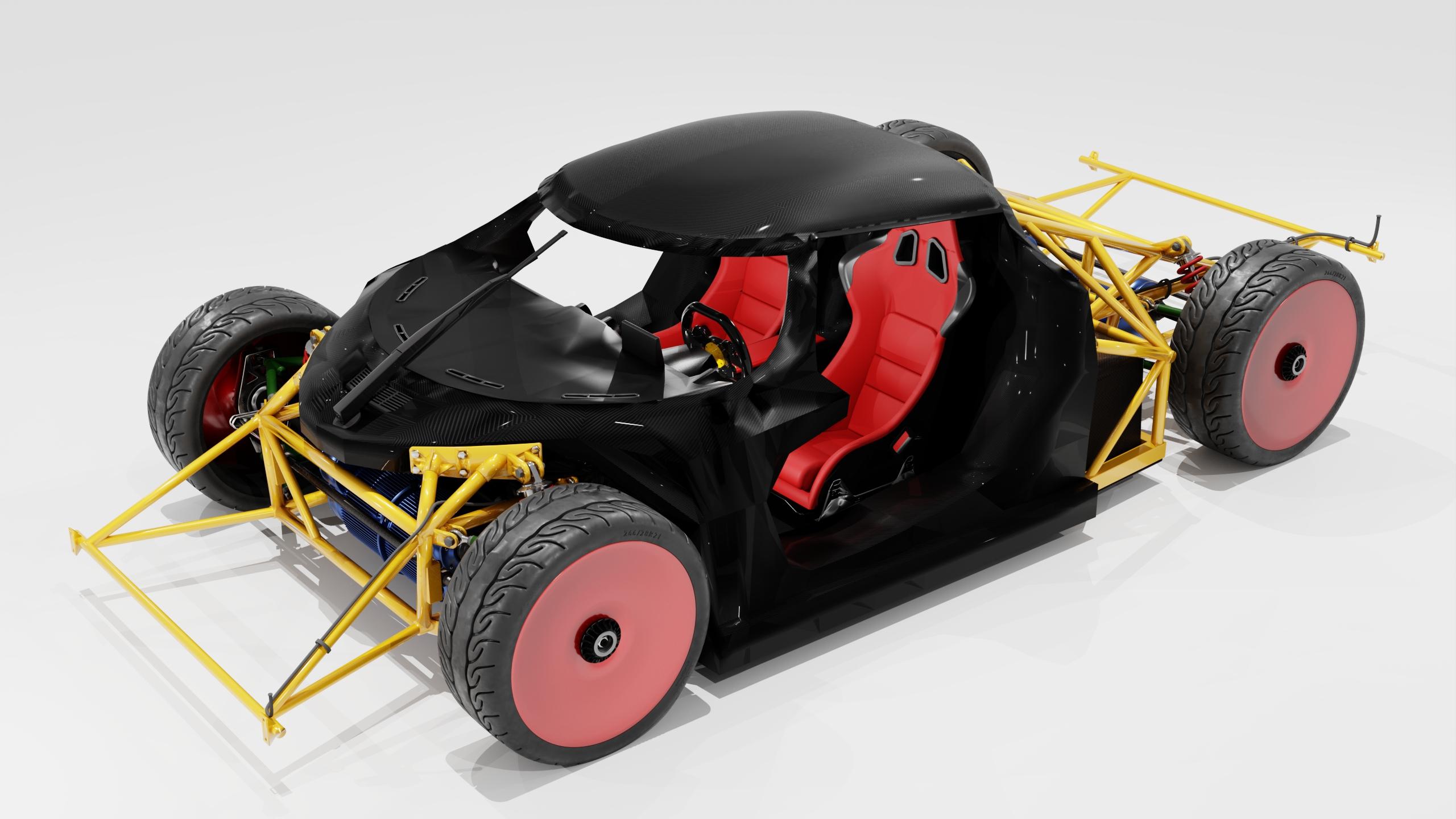
Monocoque is a single structural element, like a butterfly cocoon, glued from woven high-strength carbon threads. Inside the monocoque are places for the driver and passenger. The term monocoque comes from the French word "monocoque", which means "one body" or "one shell". The peculiarity of the monocoque is its specific strength. It is strong, rigid and light. The carbon fiber monocoque provides good insulation of the passenger compartment from vibration and noise of operating mechanisms, as well as from the noise of tires that occurs when they roll on the road surface. It is the most important structural, most responsible, material-intensive and expensive part. The carbon fiber monocoque is not subject to corrosion. The use of carbon fiber allows us to give the monocoque a unique shape. Its single streamlined shell takes all the loads that act on the car when driving. It is the basis for the installation and fastening of the car's systems and mechanisms. The engines and frame of the car are attached to the monocoque. The design of a monocoque consists of the most rational distribution of material in each place in order to make the best use of the maximum possible load-bearing capacity of the material. In order to give the structure a clear and continuous shape, ensuring direct transfer of the load from the point of its application to the point where the reaction occurs. The monocoque structure is rigid, to ensure precise control. Light, so that inertial loads and loads caused by the oscillatory angular movement of the sprung parts relative to the vertical axis are small. Strong and durable, to withstand cyclic road loads, loads from the power plant, driver and passenger. The monocoque structure is assessed by strength and rigidity. The study of the state of the monocoque structure is associated with the study of its deformability. The monocoque has no deflections and bends. In the case of a concentrated load of 20 kN in the middle, the deflections in the middle of the car monocoque do not exceed 1 mm, and the deformations of the contour of the door openings are no more than 0.5 mm. Carbon fiber is not as rigid as steel or aluminum, so reinforcing pads and stiffeners are used in the monocoque design. The safety of the driver and passenger depends on the monocoque. The front and rear parts of the car, consisting of bumpers, body panels and a frame, are not as rigid as the monocoque, they have lower impact resistance. As a result, in a collision of the car, the impact energy is absorbed by the deformation of the front and rear parts, and the passenger compartment in the monocoque is protected from deformation. This ensures the preservation of the survival space for people in a collision of the car. The monocoque weighs 72 kg. It is non-separable. It consists of a base, roof, sidewalls, front and rear parts. The monocoque is assembled on an assembly stand. Using epoxy glue and screws, the front and rear parts are glued to the bottom of the monocoque, then the left half and right half, and finally the roof is installed. All parts of the monocoque are made of prepreg using the hand molding method. Carbon prepreg in rolls 1.25 m wide is used for production. One roll contains 50 meters of prepreg. Prepreg density is 422 g/m2. The forming of the monocoque parts consists of applying prepreg layers into the matrix. Since the outer surface of the monocoque experiences maximum stress during bending, it is the area where high-modulus carbon fibers are laid. The first layer of carbon is the thinnest, which ensures the smoothest surface of the product. Carbon exactly repeats all the bends of the matrix shape without peeling or forming air pockets. Carbon cutting is performed on a plotter or using a template. Templates are cut out according to the pattern. The part numbers are indicated on the pattern sheet.
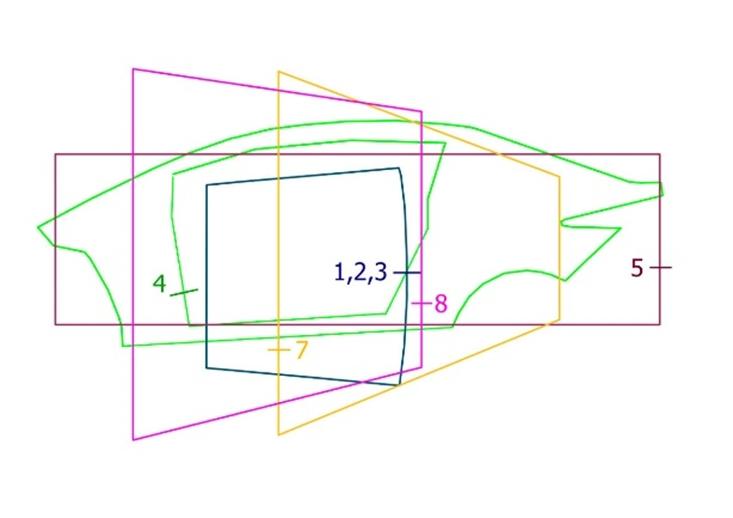 Depending on the thickness of the part, the required number of carbon prepreg layers is prepared, which are stored in a convenient, easily accessible place, in the order of their forming in the matrix. Monocoque parts with a complex shape use carbon cutting consisting of several individual elements. Complex monocoque parts are manufactured in a volumetric matrix consisting of several parts. The release layer applied to the matrix form surface serves to ensure the safe removal of the finished product after the resin has dried. Wax and PVA alcohol are used as the material from which the release layer is made. Carbon is placed in the prepared matrix, then the matrix is covered with a lid that repeats the shape of the part. This lid presses the prepreg tightly to the matrix and creates the correct shape of the part. After the resin has dried, the part is removed from the matrix and sent to the mechanical processing room. The polished, smooth, shiny surface of the monocoque is a twill carbon fabric under a layer of transparent polymer.


Please do not open any links and do not make calls (including WhatsApp) to any numbers from messages sent by accounts such as Grabcad Verification, etc. - these are phishing ones. Please do not make any payments. Our security team is currently working on a solution.